You don't need talent to get good at this. You need your third tank.
Every competition-level aquascaper has a graveyard of early tanks behind them. Here's roughly what changes at each stage — not a timeline, a checklist for what to focus on next.
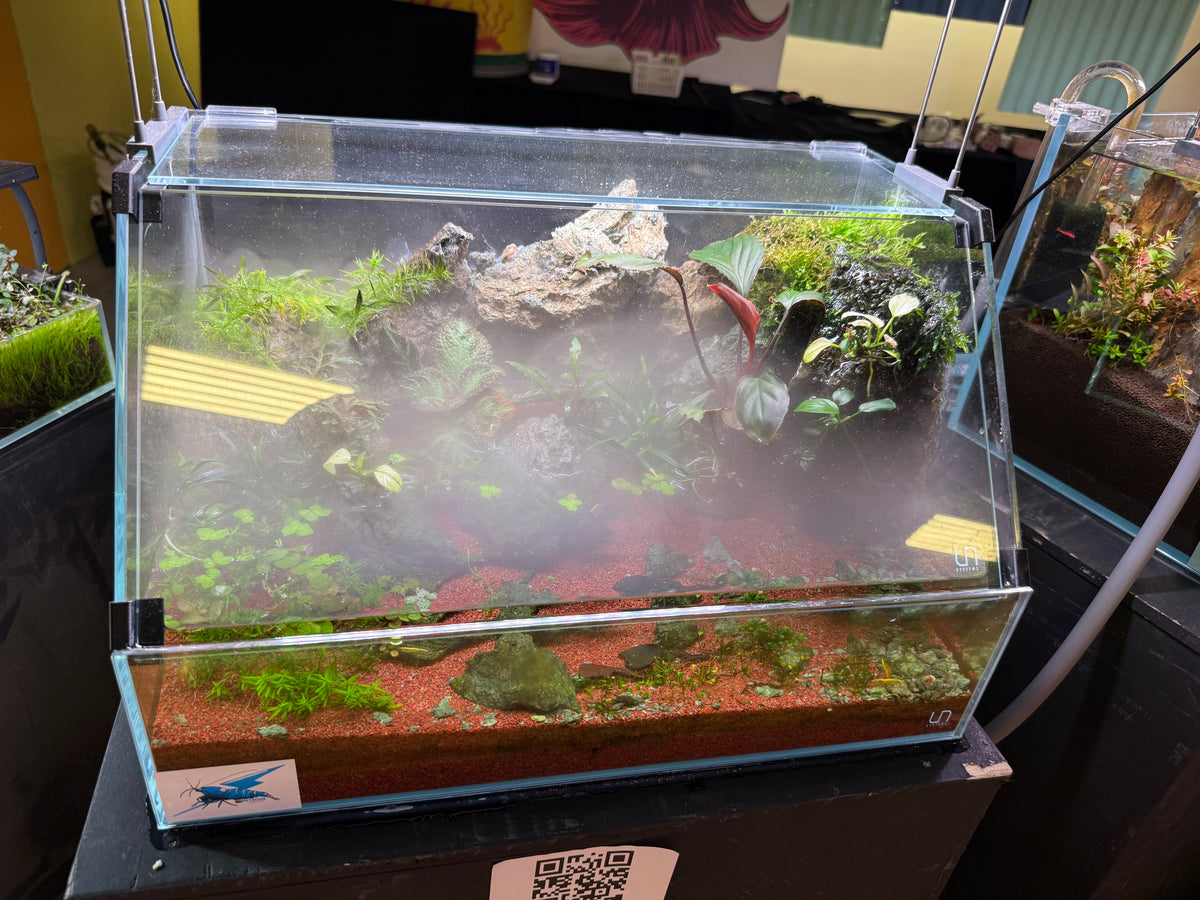
Beginner — your first layout
The goal isn't a great scape. It's finishing one without an algae outbreak or a collapsed hardscape, and learning what your specific tank, light, and water actually do.
- Pick one simple style — Iwagumi or a basic jungle layout — and don't mix in elements of others.
- Stick to low-light, forgiving plants: anubias, java fern, crypts, moss.
- Do a real water change every week without skipping, even when the tank looks fine.
- Expect and accept some algae — it's data about your light/CO2 balance, not a failure.
- Read the Iwagumi or jungle-style breakdown and pick one.
- Read hardscape placement and planting order before you touch the tank.
- Shop a beginner-friendly hardscape and plant kit at Aquascape Supply.
Intermediate — style and composition
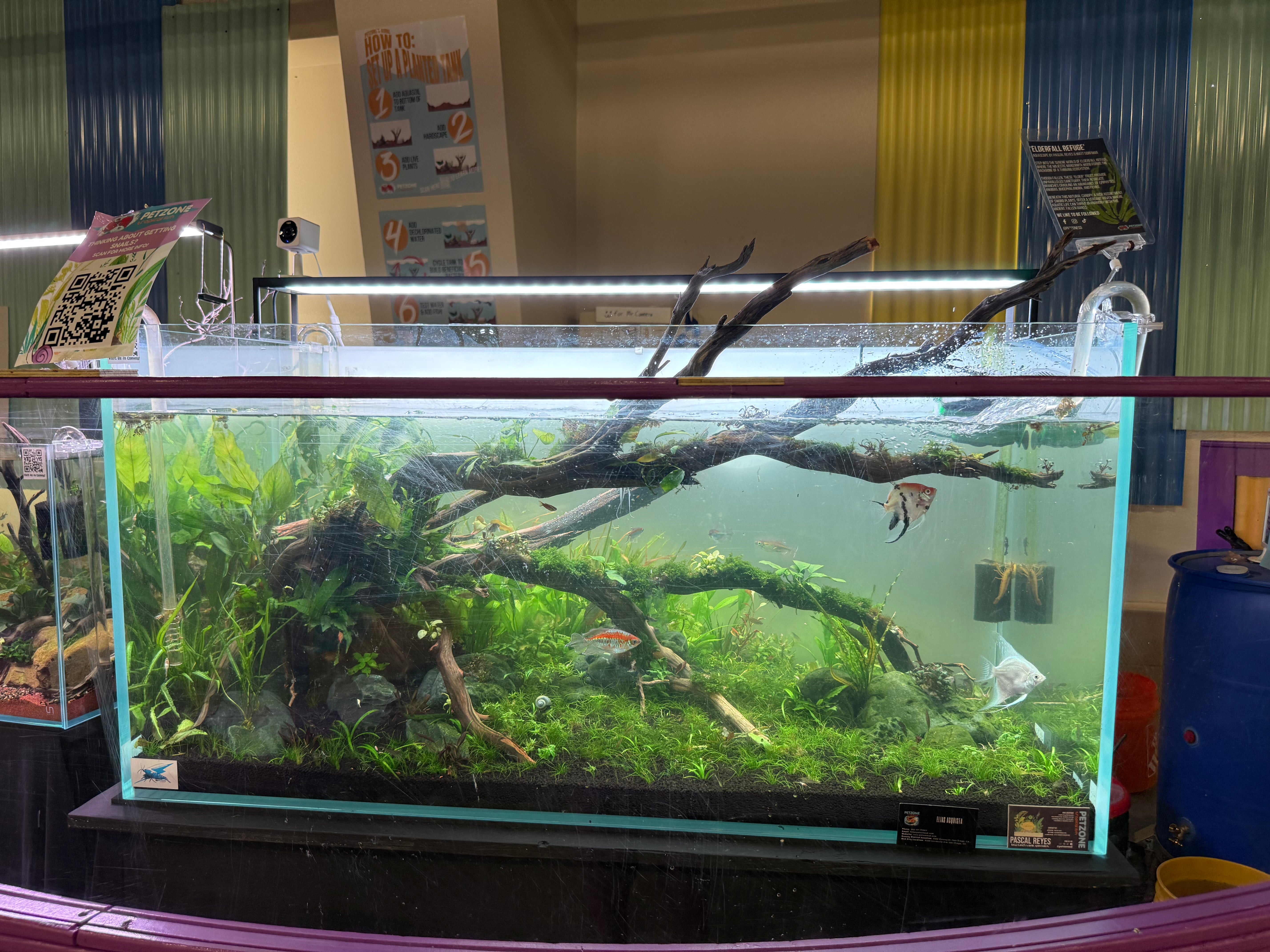
You've kept a tank alive and stable for a few months. Now the work shifts from "keep plants alive" to "make deliberate choices" — this is where CO2 and real trimming discipline usually enter.
- Move to pressurized CO2 if you haven't — it opens up carpet plants and denser stem work.
- Start a real trim schedule and stick to it, even before plants "need" it.
- Study one style deeply rather than sampling all of them — depth over breadth here.
- Photograph your tank monthly from the same angle. The changes are more visible in comparison than day to day.
- Go deep on one style — Dutch or biotope reward the discipline this stage is about.
- Set a fixed trim and maintenance schedule and hold to it.
- Upgrade CO2, lighting or dosing gear at Aquascape Supply.
Master — building your eye
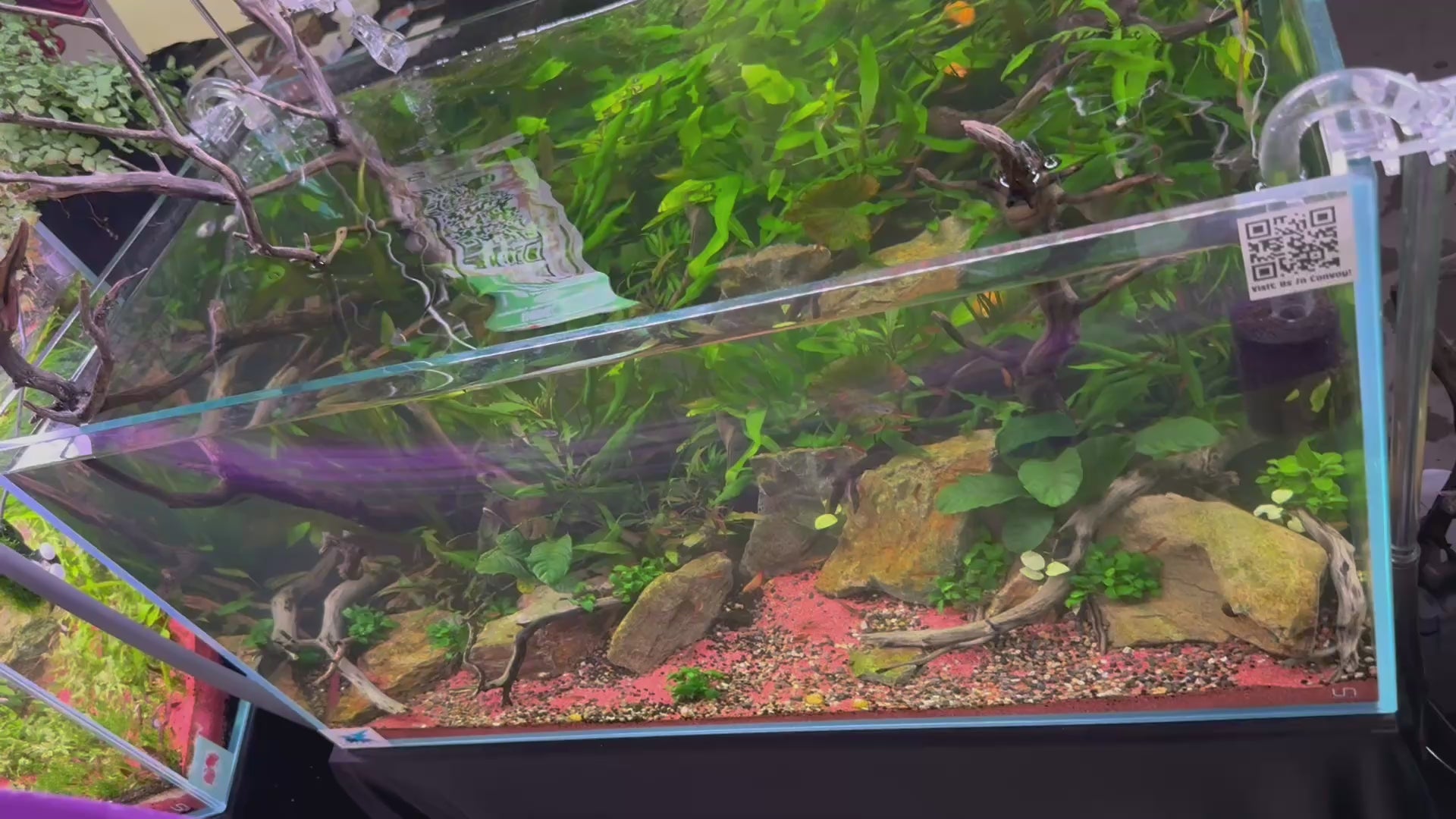
Technique is no longer the constraint — most plants will grow for you now. What separates a mature scaper is judgment: proportion, negative space, and knowing when a layout is actually finished.
- Study competition entries (IAPLC, AGA) not to copy them, but to see how negative space is used deliberately.
- Learn to recognize when you're over-detailing — the instinct to keep adding is usually wrong past a certain point.
- Start thinking in terms of the tank's full life, not just its peak — how will this layout look, and be maintained, six months from now?
- Book a Hakkai workshop to get direct feedback on composition.
- Study the gallery for proportion and negative-space reference.
- Revisit every style in the styles guide — by this stage you should be able to explain what each one is optimizing for.
Run into a term you don't recognize?
The glossary covers the vocabulary that shows up across every stage.
Frequently Asked Questions
How many tanks does it take to get good at aquascaping?
There's no fixed number — most competition-level aquascapers have a graveyard of early tanks behind them. Progress comes from finishing layout after layout and learning what your specific tank, light, and water do, not from getting the first one right.
What should a total beginner focus on first?
Finishing one layout without an algae outbreak or a collapsed hardscape. Pick a single simple style — Iwagumi or a basic jungle layout — stick to forgiving, low-light plants like anubias, java fern, crypts, and moss, and keep up weekly water changes. Some algae at this stage is normal feedback, not a failure.
When should you move to pressurized CO2?
Once you've kept a tank stable for a few months and are moving into the intermediate stage. CO2 opens up carpet plants and denser stem work, and pairs with starting a real trim schedule you hold to even before plants visibly need it.
What changes at the intermediate stage?
The focus shifts from keeping plants alive to making deliberate choices — going deep on one style rather than sampling several, holding to a fixed trim and maintenance schedule, and photographing the tank monthly from the same angle to see change over time.
What separates a master-level aquascaper from an intermediate one?
By the master stage, technique is rarely the limiting factor — most plants will grow under a disciplined routine. What separates a mature scaper is judgment: proportion, negative space, and recognizing when a layout is actually finished rather than over-detailed.
Masterscaper is written by the Pet Zone SD team, drawing on techniques taught in Hakkai's aquascape workshops in San Diego, part of the Pet Zone Tropical Fish family of stores since 2007.